Sign in. It’s quick, free and it’s up to you.
An account is an optional way to support the work we do. Find out more.
Sign in. It’s quick, free and it’s up to you.
An account is an optional way to support the work we do. Find out more.
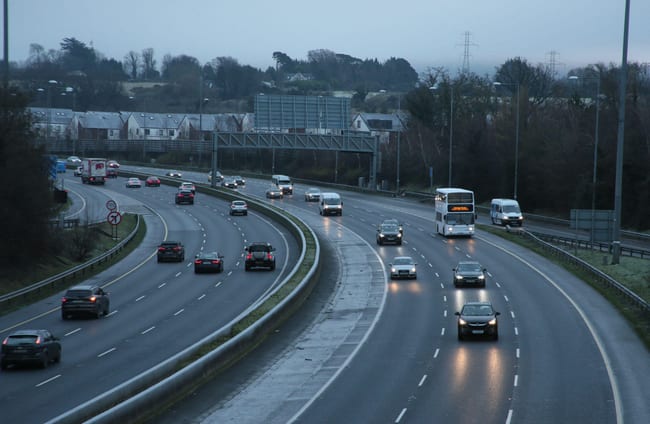
A EUROPEAN RESEARCH project will see trials of different technologies, including systems to detect wrong-way driving, across Irish roads.
The EU VERKKO pilot will see trials of sensors or CCTV set up at “up to 30 critical locations”, including motorway junctions and slip roads.
The installation of “cutting-edge detection and verification systems” is slated to identify and verify wrong-way drivers, as well as enhance the existing journey-time management and traffic data collection systems of Transport Infrastructure Ireland (TII).
“This proactive approach will significantly enhance road safety and reduce the risk of severe accidents,” information on the research published on TII’s website states.
It is one of three projects to be part-funded by the EU VERKKO intelligent transport system project. The two others relate to weigh-in-motion sensors at some 10 sites across Ireland, and evaluations of communications both between vehicles and between vehicles and infrastructure.
VERKKO is a collaborative European transport initiative involving 12 countries. The project began in 2025 and is to run through to 2028.
According to TII’s schedule of records, released under FOI to The Journal, three meetings relating to the broader project were held between July and September.
Wrong-way driving on Irish roads, particularly on motorways, first came to the fore in August when five people were killed when the car they were driving on the wrong side of the M9 crashed with another car. Three sisters in the other car were seriously injured.
A spate of similar incidents followed.
Around €1 million is being provided to undertake trials of different technologies to identify their effectiveness in detecting wrong-way driving across various junction types, a TII spokesperson told The Journal.
The spokesperson said the figure of “up to 30 critical locations” provided by VERKKO “is based on an early estimate of the available funding and the final number of locations for the pilot project is yet to be finalised”.
The objective of the research project is to identify the most effective technology for detecting and disseminating information on wrong-way driving incidents to road users.
“This research project will not in itself deliver a working wrong way driver detection system, it is a first step in allowing TII to develop such a system,” TII said.
“The European collaboration will allow TII to learn with our counterparts in developing a warning system for wrong way drivers.”
Additional reporting by Conor O’Carroll



have your say