Sign in. It’s quick, free and it’s up to you.
An account is an optional way to support the work we do. Find out more.
Sign in. It’s quick, free and it’s up to you.
An account is an optional way to support the work we do. Find out more.
(This article is produced by our Gaeltacht team. You can read the original Irish version of this piece here)
AS WE HIT the midpoint of Lent, Irish viewers will have the opportunity to watch a group of participants in a new TV series on RTÉ as they undertake a challenge appropriate for this time of year; can they live without meat?
The new series, called Slán go Feoil/Farewell to Meat, starts on RTÉ 1 on Monday and over four weekly episodes we will have the opportunity to learn a lot about the meat-free world and the pleasures and pains of life without steaks, burgers, sausages and big dirty kebabs.
It’s easy to go meatless for a month… or is it? Seven participants share their eating habits, as well as giving an insight into their lifestyles and opinions. With the help of guidance from nutritionists, chefs and other food lovers, they learn about the impact of a plant-based diet.
In the first episode, participants from Donegal, Dingle and Belfast began a month without eating meat, a period when they tried different flavours, and heard about the impact this challenge could have on their health and lifestyle – not to mention the environment.
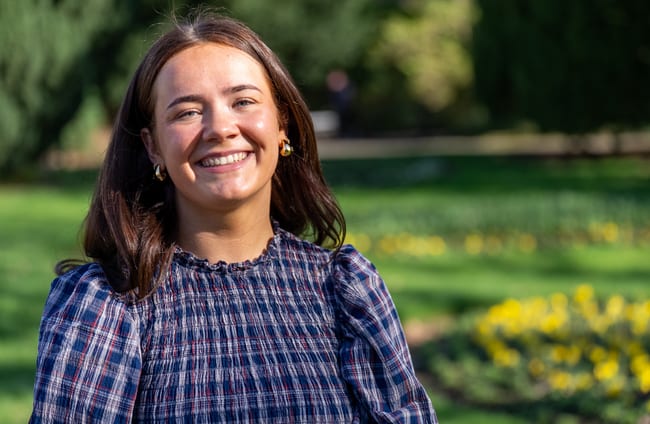
Speaking to The Journal, Storm Eaton Kilgallen, who lives in Belfast but is originally from Wexford, said that she was not a big meat eater herself before filming began on the series but that she had a passion for seafood. And the challenge in the programme involved a month without any meat, including seafood.
“My father is an oyster farmer and we used to have oysters, prawns and all sorts of seafood a lot when I was growing up,” said Storm.
“I love fish and I had planned a trip to Portugal but I didn’t think this challenge would be happening at the same time and when I found out I was worried because my favourite food is seafood.”
While she was in Portugal, which is famous for its excellent seafood, she was very careful not to accidentally break the cod and she certainly felt it was more difficult as she often ate out.
“There were thirty choices on each menu but there were not three meatless options,” she said.
She was worried about taking on the challenge because at the time of filming, in August last year, she was part of a west Belfast football team, Laochra Loch Lao, and the team was competing in the league at the time.
“I was worried that I wouldn’t be getting the right nutrients, enough protein and so on.”
She wasn’t the only one in her family taking part in the challenge, her partner was going meatless for the month. “Not only was I taking part in the challenge for the TV show, but he was too,” she said.
She said it was challenging because he was someone who said it was important to have a piece of meat on the plate.
“He and I weren’t going to cook different meals – that wasn’t going to happen.
“We both had to think.”
They managed to overcome the challenge and, even now that the challenge is over, they have three or four nights a week when they don’t eat meat.
“I can say that I’m not a meat-averse person,” she said. “But I continued the challenge for another couple of weeks after the month was over.”
She said she gave up the challenge while attending a wedding and there was a large steak on the plate in front of her.
She did, however, point out that there were many benefits to the meat-free life. She didn’t feel sick after large, heavy meals and she had good energy.
You will be able to follow the story of Storm, who works in the media and is employed as a reporter with the Irish language newspaper, Seachtain, and her six comrades in the ‘Slán le Feoil’ team every Monday at 8.30 on RTÉ 1.
As the programmes follow all the participants, there will be segments with medical and food experts who will give us advice on a life without meat and the different ways to go about it.
After finishing the series, Storm said that she realised that it was more than a personal challenge for her but that, in terms of the environment and global warming in particular, there was a need for more information and discussion on these issues.
The Journal’s Gaeltacht initiative is supported by the Local Democracy Reporting Scheme



have your say